Foundation Waterproofing: Interior vs Exterior Methods and How to Choose
Understand where water enters, which method addresses the cause, and how to plan a lasting fix • Call 647-784-8448
Published February 25, 2026 · Last updated February 26, 2026
On this page
Primary service paths
Get a free estimate

Introduction
Foundation Waterproofing: Interior vs Exterior Methods and How to Choose matters because flood-prevention decisions work best when you match the fix to how water is actually getting in. This guide is written for Toronto and GTA homeowners trying to sort out storm water, groundwater, drainage, and backup risk before spending on the wrong fix, with practical signs to watch for, steps you can take first, and a clearer sense of when it makes sense to call. If the problem already clearly matches Foundation Waterproofing, start there. If you are still comparing a few likely causes or solutions, start with Basement Waterproofing & Flood Prevention first. If what you are seeing sounds closer to Basement Waterproofing System (Weeping Tile), review that page too. When you are ready to book, call 647-784-8448, email [email protected], or book online with a short description of the symptom, the property type, and any access details that might matter.
Related service paths for this guide
If this article matches what you are dealing with, use one of these paths for the exact service or category next step.
Project photos related to this guide
These real project photos are linked to this topic through service, blog, and location metadata, which helps turn the guide into visible first-hand proof instead of a text wall.

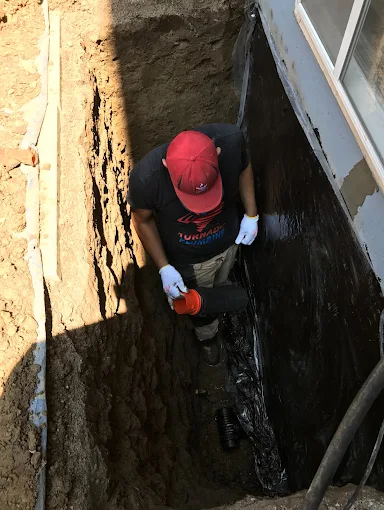
Exterior foundation trench opened for waterproofing work
This trench-stage image gives the waterproofing pages another real project view that shows excavation depth and wall exposure before the waterproofing system is closed back in.

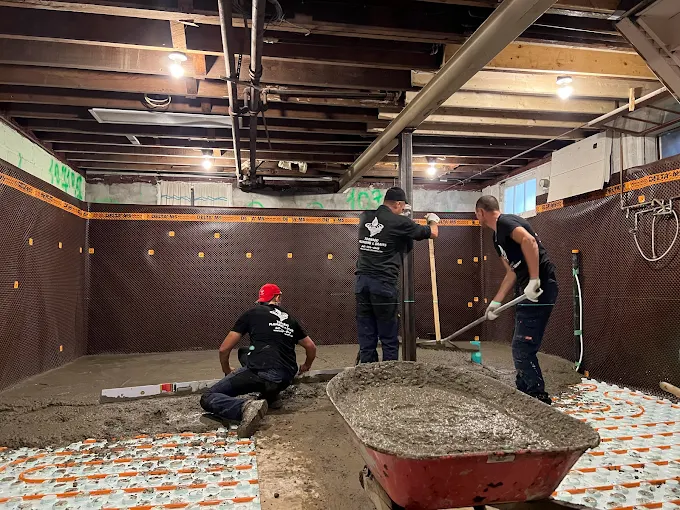
Interior basement waterproofing membrane installation
The interior waterproofing system is in place along the basement perimeter so drainage and seepage control can happen behind the finished space.

Interior waterproofing crew laying drainage and gravel
This project photo shows the open-basement phase of an interior waterproofing job, where drainage stone, wall protection, and the new perimeter path are installed before concrete is repoured.
Customer proof for this topic
These proof cards use real review text and route you into the most relevant service path for this guide.
Battery backup sump pump system being wired and tested after installation.“My driveway has a negative slope towards the house, which lacked proper drainage and caused minor flooding in my garage during heavy rainfalls. I hired Serjiy and his team to install a trench drain and I could not be happier with their work. His team showed up early everyday, they always explained everything they we're doing and left the area clean and tidy when they we're finished. Serjiy was also excellent communicating with me, letting me know well in advanced of any weather delays (not their fault) I would highly recommend Tornado plumbing for any plumbing needs!”
Most relevant to Sump Pump Installation.
Read next in this topic
These related guides stay inside the same service cluster, so you can compare cost, scope, and next-step decisions without starting over.
Best local service areas for this topic
Use one of these city pages when you want the same problem explained through local housing, flood risk, access, and neighbourhood-specific plumbing context.
Quick answer
People usually book Foundation Waterproofing when they’re dealing with water seeping through basement walls, visible foundation cracks, or chronic dampness that dehumidifiers can't control. Stop foundation leaks at the source with practical waterproofing strategies tailored to Toronto basements. We evaluate the water-entry pattern — wall cracks, hydrostatic pressure, failed coatings, or missing drainage — then recommend interior, exterior, or combined waterproofing based on what the property actually needs. When there’s more than one way to handle the job, we walk you through the trade-offs so you can pick the option that fits your budget, timeline, and risk tolerance. We focus on practical water management: redirecting, collecting, and discharging water safely away from the home.
Key takeaways
Check downspouts and grading for obvious surface-water contributors
If you have a sump pump, note if it’s running and whether it’s noisy
Move storage items off the floor in the affected area
If there’s a floor drain, note whether it’s involved in the water event
Clear access to the sump pit, mechanical room, or drain points
If you’ve had a prior flood, gather any insurance or repair records
Note when water appears (heavy rain, snow melt, plumbing use, etc.)
Take photos of where water enters and how far it travels
Common reasons people call for Foundation Waterproofing
You want a long-term solution, not repeated patching
You’re not sure if the issue is plumbing, groundwater, or grading
Dampness, musty smells, or visible water in the basement after rain
Efflorescence (white, chalky residue) on foundation walls
Sump pump runs constantly, sounds unusual, or doesn’t turn on reliably
Water is pooling near the foundation or draining toward the house
You’ve had a prior basement flood and want a prevention plan
You’re finishing a basement and want protection before the walls go up
A backwater valve is missing or you’re concerned about sewer backup risk
What’s included with Foundation Waterproofing
Waterproofing and flood prevention is part plumbing, part water management. We start by clarifying the water source: groundwater seepage, surface water, plumbing leaks, or sewer backup risk. From there, we recommend a practical strategy—collecting and discharging water (sump systems), preventing backflow (backwater valves), or managing groundwater around the foundation (drainage systems and waterproofing). We pay special attention to the details that control reliability: check valves, discharge routing, alarm/backup options, and how systems behave during storms or power outages. The priority is simple: keep water where it belongs. You’ll get a clear explanation of the plan, clean installation or repair work, and guidance for seasonal checks. For Foundation Waterproofing, we scope the work around your specific property — pipe material, access conditions, and the state of the existing system. If we find something unexpected during the job, we’ll explain it before changing the plan.
Options and methods for Foundation Waterproofing
Waterproofing solutions range from targeted fixes to full systems. The right choice depends on how water enters, how often it happens, and how the space is used (storage vs. finished basement). In many Toronto homes, the best results come from a system approach—collecting water at the perimeter or low points and discharging it safely—rather than repeatedly patching a visible leak. We’ll also look at supporting factors like discharge routing, check valves, alarms, and backup options so the system performs during the worst-case scenarios. You might hear different terms for similar work—like foundation waterproofing or basement leak repair. The right method depends on your pipe material, access, and what we find during diagnosis. We’ll explain the option that makes the most sense and why.
Cost, timing, and what affects the estimate
Waterproofing and flood prevention costs depend on scope and risk level. A single pump repair is different from installing a full drainage system or adding backup redundancy. Access and discharge routing are major factors. Proper routing and check-valve details are often what make the system reliable during heavy storms. Timelines vary: some services are same-day; system installs or complex jobs may take multiple days depending on scope. For Foundation Waterproofing, the most common variables are access, the condition of existing materials, and whether the problem is isolated or part of a larger system issue. We’ll talk through options and help you choose the best value approach—especially if there’s a repair vs. replacement decision to make. To book service, call 647-784-8448 or email [email protected]. If it’s urgent, calling is the fastest way to get help.
Maintenance and prevention tips
Flood prevention works best when systems are tested before storm season. Sump pumps should be tested, the discharge should be confirmed, and backup systems should be checked. Keep downspouts extended and grading moving water away from the foundation. Small exterior changes can reduce how much water reaches the basement in the first place. If you have a backwater valve, understand its maintenance needs and keep access clear. If you’d like, we can recommend a simple prevention plan specifically for Foundation Waterproofing based on what we saw on site. That might be a change in usage habits, a small hardware upgrade, or periodic checkups—whatever actually reduces the chance of repeat problems.
Local considerations for Foundation Waterproofing in Toronto & the GTA
Basement water problems in the GTA are rarely caused by just one thing. Groundwater pressure, surface drainage, storm intensity, and the condition of older foundation details can all contribute. A home can be “fine” for years and then have issues after one unusually heavy rain season. That’s why we focus on systems and reliability: where water goes, how it’s collected, and how it’s discharged away from the foundation. Sump pumps, check valves, discharge routing, and backwater protection all work together. If one part fails during a storm (like a power outage), that’s when backups and floods happen. A practical prevention plan usually includes both a fix for today’s issue and simple checks before storm season—testing pumps, confirming discharge, keeping downspouts extended, and ensuring access to critical components stays clear. For finished basements, redundancy (alarms and backup pumping) can be a smart way to reduce risk. We’ll help you separate quick wins from bigger projects, so you can improve protection without overbuilding.
Questions to ask before you hire a plumber
A few questions help you choose the right contractor (and avoid surprises): • What did you find, and what evidence supports that diagnosis? • What are the realistic options, and what are the trade‑offs (cost vs. longevity vs. disruption)? • What would you do if this were your own home or building? • What maintenance or usage changes would prevent the issue from returning? • What should I watch for after the work is complete? • If the same problem comes back, what’s the next escalation step? Clear answers should feel calm and specific—not vague. You should understand what will happen, why it matters, and what a good outcome looks like. If you want to talk through your situation first, call 647-784-8448 or email [email protected].
When Basement Waterproofing System (Weeping Tile) is usually the right service
People usually book Basement Waterproofing System (Weeping Tile) when they’re dealing with issues like foundation leaks, seepage after rain, sump pump failures, sewer backup risk. Interior drainage and weeping tile systems that manage groundwater and keep finished basements protected. We evaluate the water-entry pattern — wall cracks, hydrostatic pressure, failed coatings, or missing drainage — then recommend interior, exterior, or combined waterproofing based on what the property actually needs. If the diagnosis points to multiple repair paths, we explain what each one costs, how disruptive it is, and how long the fix is likely to last. We focus on practical water management: redirecting, collecting, and discharging water safely away from the home.
Common reasons people call for Basement Waterproofing System (Weeping Tile)
You’re finishing a basement and want protection before the walls go up
A backwater valve is missing or you’re concerned about sewer backup risk
You see water at the floor/wall joint (cove joint) or around a floor drain
You want a long-term solution, not repeated patching
You’re not sure if the issue is plumbing, groundwater, or grading
Dampness, musty smells, or visible water in the basement after rain
Efflorescence (white, chalky residue) on foundation walls
Sump pump runs constantly, sounds unusual, or doesn’t turn on reliably
Water is pooling near the foundation or draining toward the house
What’s included with Basement Waterproofing System (Weeping Tile)
Waterproofing and flood prevention is part plumbing, part water management. We start by clarifying the water source: groundwater seepage, surface water, plumbing leaks, or sewer backup risk. From there, we recommend a practical strategy—collecting and discharging water (sump systems), preventing backflow (backwater valves), or managing groundwater around the foundation (drainage systems and waterproofing). We pay special attention to the details that control reliability: check valves, discharge routing, alarm/backup options, and how systems behave during storms or power outages. The priority is simple: keep water where it belongs. You’ll get a clear explanation of the plan, clean installation or repair work, and guidance for seasonal checks. For Basement Waterproofing System (Weeping Tile), we adjust the approach based on what your property actually needs — age, layout, pipe condition, and access. If something comes up during the work that affects the scope, we tell you before proceeding.
When Sump Pump Installation is usually the right service
People usually book Sump Pump Installation when they’re dealing with issues like foundation leaks, seepage after rain, sump pump failures, sewer backup risk. End-to-end sump pump help: assessment, sizing, installation, repairs, replacements, and reliability upgrades. We evaluate the water-entry pattern — wall cracks, hydrostatic pressure, failed coatings, or missing drainage — then recommend interior, exterior, or combined waterproofing based on what the property actually needs. Where more than one approach makes sense, we lay out the differences — price, disruption, durability — so you’re choosing with full information. We focus on practical water management: redirecting, collecting, and discharging water safely away from the home.
Common reasons people call for Sump Pump Installation
You’re finishing a basement and want protection before the walls go up
A backwater valve is missing or you’re concerned about sewer backup risk
You see water at the floor/wall joint (cove joint) or around a floor drain
You want a long-term solution, not repeated patching
You’re not sure if the issue is plumbing, groundwater, or grading
Dampness, musty smells, or visible water in the basement after rain
Efflorescence (white, chalky residue) on foundation walls
Sump pump runs constantly, sounds unusual, or doesn’t turn on reliably
Water is pooling near the foundation or draining toward the house
What’s included with Sump Pump Installation
Waterproofing and flood prevention is part plumbing, part water management. We start by clarifying the water source: groundwater seepage, surface water, plumbing leaks, or sewer backup risk. From there, we recommend a practical strategy—collecting and discharging water (sump systems), preventing backflow (backwater valves), or managing groundwater around the foundation (drainage systems and waterproofing). We pay special attention to the details that control reliability: check valves, discharge routing, alarm/backup options, and how systems behave during storms or power outages. The priority is simple: keep water where it belongs. You’ll get a clear explanation of the plan, clean installation or repair work, and guidance for seasonal checks. For Sump Pump Installation, we fit the job to your property’s real conditions: material type, access, and system age. If diagnosis uncovers a related issue, we explain it clearly before the scope changes.
When Drain & Basin Services is usually the right service
People usually book Drain & Basin Services when they’re dealing with issues like slow sinks and tubs, gurgling drains, floor drain backups, main sewer clogs. Catch basins, yard drains, driveway drains, and storm drainage—cleaning, repairs, and improvements to move water away. We evaluate the water-entry pattern — wall cracks, hydrostatic pressure, failed coatings, or missing drainage — then recommend interior, exterior, or combined waterproofing based on what the property actually needs. When the situation allows for different repair strategies, we compare them honestly: what each one costs, how much work is involved, and which one is most likely to hold up. The work is meant to restore full flow and lower the chance of repeat blockages, not just punch a temporary opening through the clog.
Common reasons people call for Drain & Basin Services
Clogs that come back every few weeks or after heavy use
You hear bubbling or “glug-glug” sounds when fixtures drain
Floor drains in the basement are taking on water during rain events
Tree roots or older clay piping may be affecting the sewer line
You want to avoid chemical drain cleaners that can damage pipes
You need a camera inspection to confirm what’s happening inside the line
One drain is slow, gurgling, or draining inconsistently
Multiple fixtures are slow at the same time (a sign of a main line issue)
Bad odours coming from sinks, floor drains, or laundry connections
What’s included with Drain & Basin Services
A good drain service starts with understanding the system: which fixtures are affected, when the issue occurs, and whether the problem is local to one branch line or tied to the main drain. We then choose the right approach—cable/auger, targeted cleaning, hydro jetting, or a camera inspection—based on pipe material, access, and what will actually remove the buildup (not just push through it). For recurring problems, we focus on the “why”: grease buildup, hair and soap, roots, scale, offsets, or a damaged section of pipe. That’s how you avoid paying to clear the same clog over and over. When the line is restored, we verify flow and share prevention guidance. If we find structural issues, we’ll explain realistic next steps and what’s urgent vs. what can wait. For Drain & Basin Services, we match the repair to your building — construction type, access points, and the condition of what’s already installed. Anything unexpected gets flagged and explained before we act on it.
When to call for help
Book Foundation Waterproofing when the problem is already clear. Start with Basement Waterproofing & Flood Prevention if you want to compare the most likely causes or solutions first. If Basement Waterproofing System (Weeping Tile) sounds closer to what you are dealing with, review that page too. When you are ready, call 647-784-8448, email [email protected], or book online with a short description of the symptom, the property type, and any access limits or timing concerns.
Foundation Waterproofing: Interior vs Exterior Methods and How to Choose FAQ
Is foundation waterproofing an interior or exterior solution?
It can be either, depending on the source and severity of water entry. Exterior waterproofing addresses water before it enters the foundation. Interior approaches manage water that reaches the basement and direct it to a safe discharge point. We’ll recommend the approach that fits your home, budget, and how the basement is used—especially if you’re planning to finish the space.
What’s the difference between waterproofing and damp-proofing?
Damp‑proofing is typically a lighter moisture resistance layer, while waterproofing is designed to resist water penetration under more severe conditions. For active leaks or chronic seepage, a true waterproofing strategy is usually needed. We’ll explain the practical difference in plain language so you’re not paying for the wrong level of protection.
Will waterproofing stop mould and musty smells?
Reducing moisture is one of the best ways to prevent mould and musty odours, but it’s important to address ventilation and any existing damage as well. Stopping water intrusion is the first step; drying and managing humidity finishes the job. We’ll focus on keeping water out and recommend practical moisture-control steps for your basement.
Do you serve Toronto & the GTA?
Yes—Tornado Plumbing & Drains serves homes and businesses across Toronto & the GTA (including Etobicoke, North York, Scarborough, York, Mississauga, Brampton, Vaughan, Markham, Richmond Hill, Oakville, and Burlington). If you’re not sure whether your address is in our coverage area, send your postal code to [email protected] or call 647-784-8448 and we’ll confirm quickly. We’re used to working in a mix of building types (older Toronto homes, newer builds, condos, and small commercial spaces), so we’ll also ask a couple of quick questions to understand access and the right next step.
Can you quote this over the phone?
We can sometimes give a rough range, but an accurate quote usually requires seeing the setup—especially for Foundation Waterproofing. Access, condition of existing materials, and what we discover during diagnosis are the biggest variables. Water in a basement can come from plumbing, groundwater, surface drainage, or sewer backup risk—an on-site look prevents the wrong fix. Once we’ve assessed the situation, we’ll explain the scope and options clearly so you can choose the best-value solution.
What affects the cost of Foundation Waterproofing?
Cost is mostly driven by scope of the system, discharge routing, backup requirements, and how the basement is used (storage vs. finished space). The same symptom can have different causes, so the best value often comes from confirming the root issue first. After we assess your setup, we’ll outline options (including any “minimum viable repair” vs. “long-term fix” paths) and explain the trade-offs in plain language—cost, disruption, and how likely the issue is to return.
How long does Foundation Waterproofing usually take?
Some services (pump repairs, valve service) can be quick. Larger drainage/waterproofing installs depend on scope and may take multiple days. We’ll confirm expectations after a quick assessment and let you know what to plan for—water shut-offs, which areas we need to access, and whether any follow-up visit is likely. If you have scheduling constraints, tell us up front and we’ll plan the most efficient sequence.
Will this be messy or disruptive?
Some waterproofing work can be more involved (especially system installs), but we plan dust control and cleanup carefully. We’ll explain what areas are affected so you can plan around it. We’ll also explain what we’re doing as we go, so you’re not left guessing why a certain access point or tool is needed. When we leave, the system should be working properly and the space should still feel like your home or business.
Do you offer preventative maintenance or upgrades?
Yes. Testing pumps/valves before storm season and checking discharge routing are the highest-value steps. Backup options can add peace of mind. If you want a low-effort plan, we can recommend what’s worth doing yearly vs. what can be checked occasionally—based on what we see on site. The point is to catch wear early, reduce surprise failures, and make the next visit faster and more predictable.
How do I book Foundation Waterproofing?
You can book online, call 647-784-8448, or email [email protected]. If you’re dealing with an urgent situation (active leak, sewage backup, no water), calling is usually the fastest option. If you email, include your address, a brief description of the issue, and any photos/videos—this helps us prepare and reduce back-and-forth.
What is a weeping tile / interior drainage system?
It’s a drainage system that collects groundwater at the foundation perimeter (or at key low points) and directs it to a sump pit or discharge point. It’s designed to manage water pressure and keep finished spaces protected. In many basements, this approach is more reliable than repeatedly patching a visible leak because it deals with the water path, not just the symptom.
Can you install a waterproofing system in a finished basement?
Often yes, but it requires careful planning. We’ll explain what needs to be opened, how dust control works, and how to minimize disruption. In some cases, targeted sections can be addressed rather than the entire perimeter. Our focus is to protect the space and leave a clean result that you can confidently finish or refinish.
Do I still need a sump pump with weeping tile?
Many interior drainage systems route collected water to a sump pit, so a pump is often part of the setup. If you already have a pump, we’ll evaluate whether it’s sized and configured properly. The key is that collected water must be discharged safely away from the foundation—otherwise the system can’t do its job.
What problems does Sump Pump Installation solve?
Sump Pump Installation is usually the right service when the symptoms above match what you are seeing. We use the visit to confirm the root cause, restore proper function, and explain what will reduce the chance of a repeat. If you are not sure this is the right service, describe what you are seeing and we will guide you to the right next step.
Is Sump Pump Installation the right service for my issue?
If you’re unsure, that’s normal. Many plumbing problems look similar on the surface. A quick assessment prevents misdiagnosis and saves money. Call 647-784-8448 or email [email protected] with a brief description (and photos if possible) and we’ll help you confirm the right service.
What should I do while I wait for an appointment?
Avoid actions that could worsen damage—forcing a drain, using harsh chemicals, or leaving a leak running. If it’s urgent, call so we can advise immediate next steps. If you can safely shut off water to the affected fixture or main line, that often prevents additional damage while you wait.
What problems does Drain & Basin Services solve?
Drain & Basin Services is usually the right service when the symptoms above match what you are seeing. We use the visit to confirm the root cause, restore proper function, and explain what will reduce the chance of a repeat. If you are not sure this is the right service, describe what you are seeing and we will guide you to the right next step.
Is Drain & Basin Services the right service for my issue?
If you’re unsure, that’s normal. Many plumbing problems look similar on the surface. A quick assessment prevents misdiagnosis and saves money. Call 647-784-8448 or email [email protected] with a brief description (and photos if possible) and we’ll help you confirm the right service.
Quick links
Explore more